
A Book Worth Sinking Your Teeth Into
mildredmwhalen
4 days ago
2 min read
Michelle's Microhistories
A look at the strange, surprising, and wonderfully specific corners of history.

Rabid: A Cultural History of the World's Most Diabolical Virus Bill Wasik and Monica Murphy
As another kid who had been emotionally scarred by Old Yeller and Cujo, to the point that I have to check DoestheDogDie.com before I will go see a scary movie, I was surprised by how little I actually knew about rabies. I assumed that if you got bit, you had a very small window before you too were running about biting people and foaming at the mouth. After reading Bill Wasik and Monica Murphy's Rabid, I was left thinking back on every dog and animal that had nipped me in the past six years, which luckily was a small number. (Who knew rabies could just hang out in your body for that long?) Luckily, one of the symptoms is hydrophobia, or the fear of water, so all it took was chugging a large glass of water to assure myself that I wasn't actively dying of rabies. This book was a great insight into not just the history of the virus going back to ancient Roman times and how they tried and failed to find a cure, but more current medical treatment where you can survive with a couple rounds of shots. There also is a view on how rabies has impacted our literature and pop culture. While it doesn't go into as much detail as I would like, it gives a great window into looking at how vampires, werewolves, and zombies have become the most commonly known monsters throughout different cultures and how rabies has played a part in that history. When it comes to man vs. Nature, it seems that everyone has a story about what happens when man's best friend turns into his worst enemy.
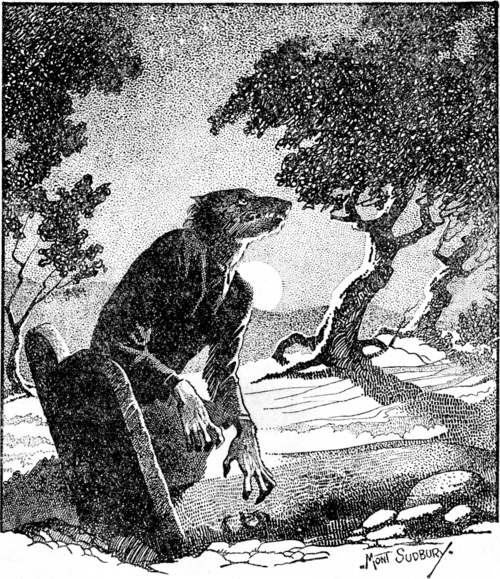
Fair warning: if you haven't read too much into the work of Louis Pasteur, this book does spend a chunk of time talking about his experiments while working on a vaccine for rabies, and I don't recommend reading it over dinner or while sitting with your four-legged friend.

Louis Pasteur developed the first successful rabies vaccine in the 1880s. He was a minority of scientists at the time who believed in the concept of disease arising from microorganisms.
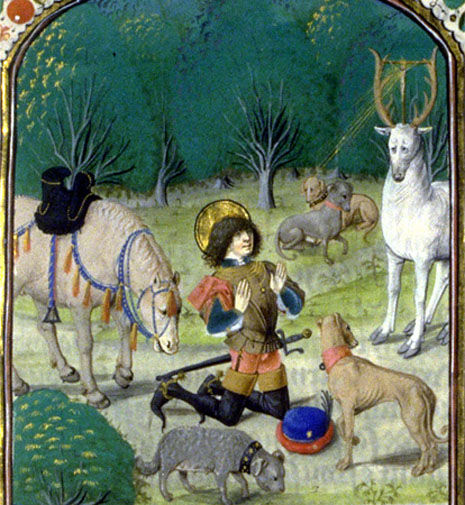
Saint Hubert was long seen as the healer of "rage," the medieval understanding of the rabies virus, transmitted from dogs, wolves, and foxes.
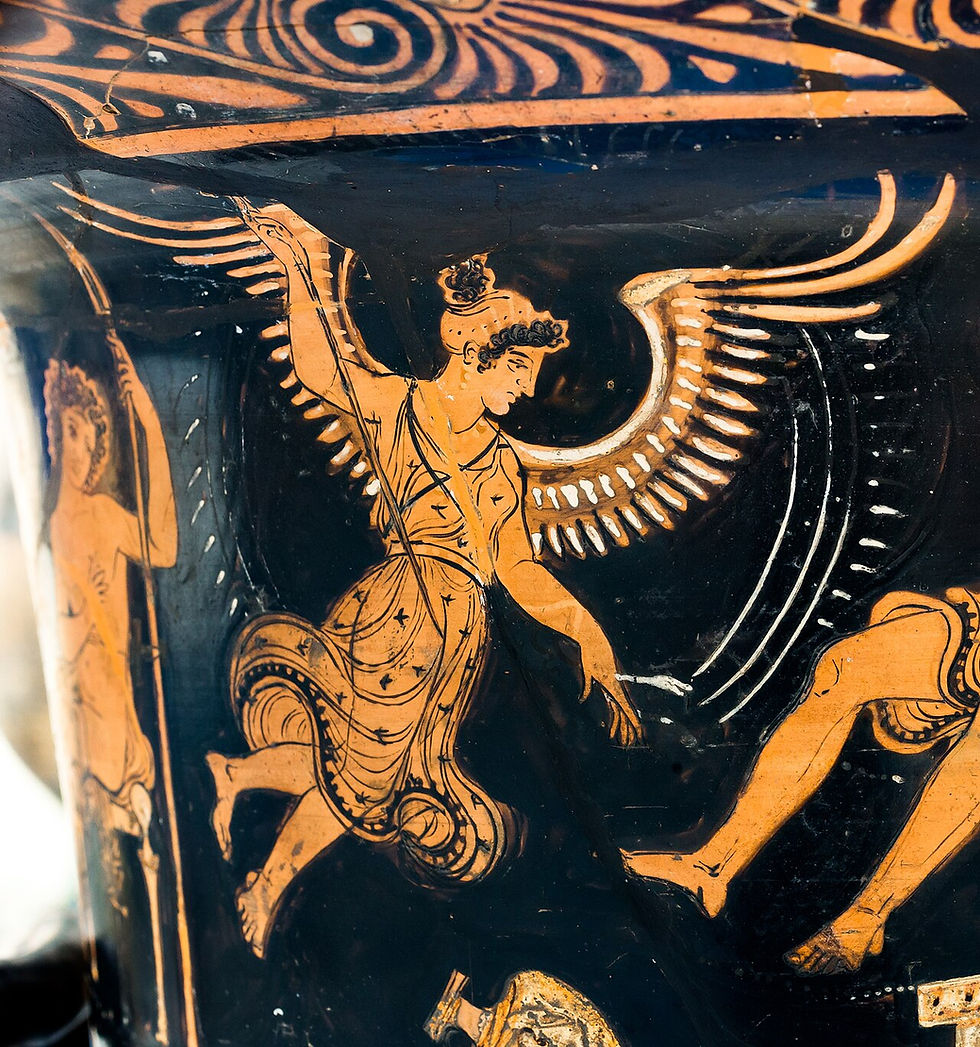
Lyssa, the Greek minor goddess of frenzy and madness, embodies ancient fears surrounding uncontrollable violence and disease.
